The Sweet Font: A Playful Typeface for Creative and Artistic Designs
In the vast landscape of typography, certain fonts stand out not just for their legibility but for the emotional resonance they bring to a project. Sweet is one such typeface—a font that embodies whimsy, warmth, and artistic flair. Designed to break away from sterile, corporate lettering, Sweet finds its home in projects where personality and playfulness are paramount. Whether you are a graphic designer crafting a children’s book cover, a hobbyist making personalized greeting cards, or a business owner designing an invitation, understanding the nuances of Sweet can elevate your work from ordinary to memorable.
What Makes Sweet a Distinctive Typeface?
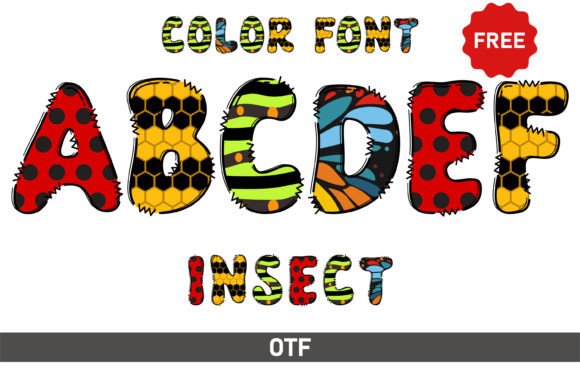
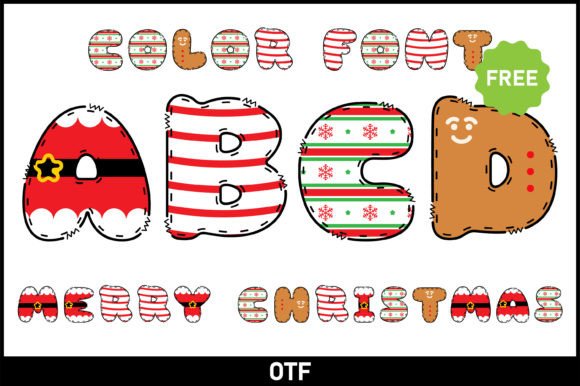
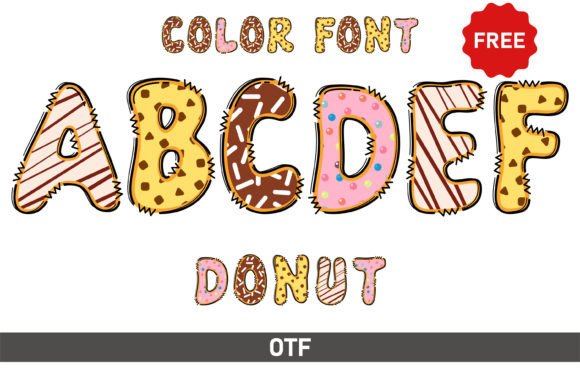
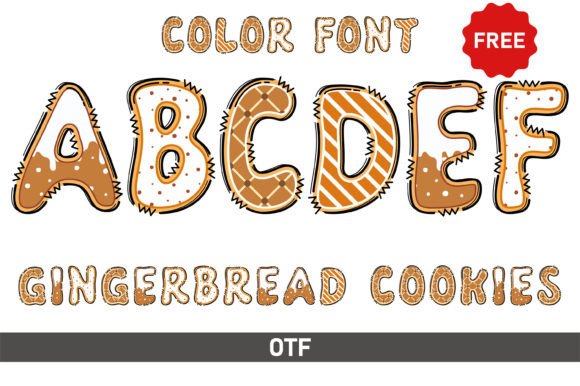
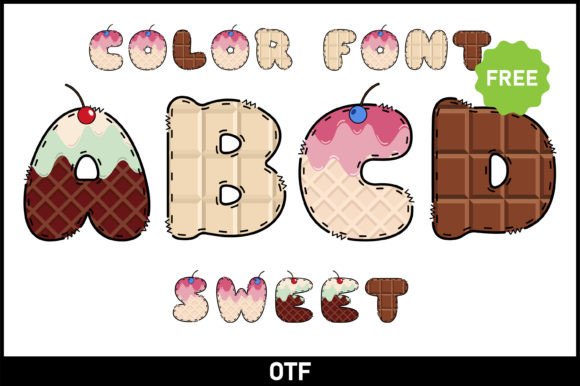
At its core, Sweet is a font that prioritizes expression over rigid uniformity. Its letterforms often feature rounded edges, varied stroke weights, and a hand-drawn quality that feels approachable and lively. This is not a font designed for annual reports or legal documents; it thrives in contexts where creativity and emotion take center stage. The font’s playful nature is immediately apparent: characters may have slight irregularities, like uneven baselines or decorative flourishes, which mimic the charm of hand-lettering. For creators who want their text to feel personal and inviting, Sweet offers a bridge between digital precision and human touch.
Another key characteristic is its readability, especially in larger sizes. Despite its whimsical appearance, Sweet maintains clarity, making it suitable for short text blocks, headlines, and display purposes. This balance between fun and function is rare among decorative typefaces, and it is one reason why Sweet has become a go-to choice for projects aimed at children or audiences seeking a lighthearted aesthetic.
Real-World Applications of Sweet Font
The versatility of Sweet becomes evident when you examine where and how it is used. Its design language aligns naturally with several creative domains, each benefiting from the font’s unique energy.
Children’s Books and Educational Materials
Children’s literature demands fonts that are engaging, easy to read, and visually stimulating. Sweet checks all these boxes. Its rounded, friendly letterforms help young readers decode words without intimidation, while its playful flourishes spark curiosity. Picture books, early readers, and activity books often use Sweet for titles, chapter headings, or callout text. The font’s color version can add another layer of appeal—imagine a title where each letter is a different pastel hue, drawing a child’s eye and making the reading experience feel like play. Teachers and educators also appreciate Sweet for classroom posters, word walls, and labels, where a cheerful tone can make learning feel less formal and more inviting.
Posters and Event Graphics
Posters intended for community events, festivals, or creative workshops benefit from a font that communicates energy and approachability. Sweet works beautifully for concert flyers, art shows, farmers’ market announcements, or school plays. Its hand-drawn vibe pairs well with illustrations, photography, and bold color palettes. When used in large sizes, Sweet commands attention without feeling aggressive—a quality that makes it ideal for promotional materials that need to stand out while remaining warm. For example, a poster advertising a local craft fair might use Sweet for the headline “Handmade with Love,” instantly conveying the event’s artisanal spirit.
Invitations and Greeting Cards
Few design projects are as personal as invitations and greeting cards. Whether it is a wedding, birthday party, baby shower, or holiday gathering, the font sets the tone before the recipient even reads the details. Sweet’s playful elegance makes it a favorite for these occasions. A birthday invitation for a child might use Sweet in bright, cheerful colors, while a baby shower card could opt for pastel tones that feel soft and celebratory. The font’s black version works well for card interiors or addresses, ensuring legibility while maintaining the theme. Because Sweet feels handmade, it adds a layer of sincerity that standard serif or sans-serif fonts often lack. Greeting card designers consistently turn to Sweet to create products that resonate emotionally with buyers.
Greeting Cards and Gift Tags
Beyond invitations, Sweet shines in the broader greeting card market. Birthday cards, thank-you notes, and “just because” messages all benefit from a typeface that feels personal. The font’s ability to pair with decorative elements—such as borders, icons, or watercolor backgrounds—makes it a versatile tool for card makers. Gift tags, too, become more special when the recipient’s name is set in Sweet. For small business owners who sell stationery, incorporating Sweet into their product line can help differentiate their brand in a crowded marketplace.
Technical Versatility: Black Version vs. Color Version
One of the most important considerations when working with Sweet is understanding the technical differences between its versions. The font is available in a black version and a color version, and each serves different workflows and creative tools.
The Black Version: Cutting Machine Ready
The black version of Sweet is a standard vector font that works seamlessly with cutting machines like Cricut Design Space, Silhouette Studio, and other die-cutting software. For hobbyists and small business owners who produce vinyl decals, t-shirt designs, or custom paper crafts, this version is essential. Since it contains only a single color outline, cutting machines can trace the letterpaths accurately, allowing for clean weeding and application. If you are creating a wall decal with a playful quote or a custom tote bag with a child’s name, the black version of Sweet gives you the freedom to cut and contour without compatibility issues.
The Color Version: Software Dependent
The color version of Sweet is a more advanced offering that includes built-in color information within the font file. This means that when you type a word, each character can automatically display in a specific hue or gradient—no need to manually color each letter. However, this feature is only supported in certain design programs. PhotoShop, Illustrator, Silhouette Studio, and Inkscape can handle color fonts, allowing you to leverage Sweet’s full chromatic potential. Notably, the OTF and TTF files of the color version are not compatible with Cricut Design Space. This limitation is important for crafters who work across multiple platforms. If you primarily use Cricut for your projects, stick with the black version for cutting, and consider using the color version in other programs for digital designs or print-then-cut workflows.
Understanding these technical boundaries helps creators choose the right version for their project and avoid frustration. The Ultimate Font Guide is an excellent resource for troubleshooting compatibility and learning how to maximize both versions across different software.
Advantages for Designers and Hobbyists
Sweet offers several practical benefits that make it a valuable addition to any designer’s toolkit.
- Engagement: The font’s playful appearance naturally draws attention and keeps viewers interested. This is particularly useful in advertising, social media graphics, and packaging where first impressions matter.
- Versatility: Sweet works across digital and physical mediums—from social posts and web banners to printed stationery and laser-cut wood signs. Its adaptability reduces the need to switch fonts between projects.
- Ease of Use: Despite decorative flourishes, Sweet remains legible at moderate sizes. Beginners will find it straightforward to incorporate into designs without extensive typography knowledge.
- Differentiation: In a world saturated with generic fonts, Sweet helps brands and creators stand out. Its handmade quality signals authenticity and care—two attributes that resonate with modern consumers.
- Cutting Machine Compatibility: The black version’s smooth paths make it ideal for Cricut and Silhouette users who need reliable cut lines. This opens up possibilities for physical products that generate income for small businesses.
Practical Considerations When Using Sweet
Getting the best results with Sweet requires attention to a few practical details.
File Formats and Software Choices
Always check whether you need the OTF or TTF format. Most modern programs accept both, but older versions of certain software may require one over the other. For color version users, verify that your program supports OpenType color fonts (also known as SVG fonts). Programs like Adobe Illustrator and Photoshop fully support this, while some older or free alternatives may not. Inkscape, being open-source, has added support for color fonts in recent versions, making it a viable option for budget-conscious creators.
Pairing Sweet with Other Fonts
Because Sweet is highly expressive, it pairs best with neutral, minimalist typefaces for body text or secondary information. A clean sans-serif like Montserrat or a simple serif like Lora can balance Sweet’s playfulness without competing for attention. Avoid pairing Sweet with another decorative font, as this can create visual chaos. Instead, let Sweet be the star of your headline or callout, and keep supporting text understated.
Sizing and Spacing
Sweet tends to shine at larger point sizes—18pt and above. At very small sizes, its delicate details may become muddled. For small text, consider using the black version in a heavier weight if available, or switch to a simpler companion font. Tracking (letter spacing) may need adjustment: Sweet’s uneven letterforms sometimes benefit from a little extra space to maintain readability, especially in all-caps settings.
How to Get the Most Out of Sweet in Your Projects
Experienced users develop workflows that maximize Sweet’s potential. Here are a few strategies to consider.
- Layer with textures: Sweet’s hand-drawn feel pairs beautifully with paper textures, watercolor washes, or subtle grain overlays. This combo enhances the handmade aesthetic in digital designs.
- Use color version for digital-only projects: Since the color version isn’t compatible with Cricut, reserve it for social media graphics, digital invitations, or print-on-demand products that don’t require cutting.
- Test your cutting machine: Before committing to a large batch of vinyl decals, run a test cut with the black version of Sweet. Check for any tight curves or delicate areas that might cause weeding issues.
- Combine with icons: Sweet works well with simple line icons or small illustrations. For a children’s book page, consider pairing Sweet headings with hand-drawn icons of animals or objects.
- Adjust baseline shift cautiously: In some programs, Sweet’s characters may sit slightly off the baseline due to their hand-drawn nature. Use baseline shift controls to align text with other elements as needed.
The Broader Appeal of Playful Fonts in Modern Design
Sweet is part of a larger trend in design that values personality over perfection. In an era where consumers crave authentic connections, brands and creators are moving away from cold, corporate aesthetics. Playful fonts like Sweet help humanize digital experiences, making them feel more approachable and trustworthy. This is especially relevant for businesses targeting families, creatives, or anyone seeking products that reflect a personal touch.
Educators also benefit from this trend. Classroom materials that use engaging typography can improve student interest and retention. The simple act of using a font like Sweet for a worksheet title or bulletin board label can make the learning environment feel more welcoming and less institutional. Similarly, researchers and hobbyists who create infographics or presentation slides can use Sweet to highlight key insights without appearing overly formal.
As cutting machine technology becomes more accessible, the demand for fonts that are both decorative and functional grows. Sweet meets this need by offering a version optimized for physical production (the black version) and a version tailored for rich digital color work (the color version). Creators who understand both sides of this font can seamlessly move from screen to material, opening up new avenues for creative entrepreneurship.
Ultimately, Sweet is more than just a typeface—it is a tool for storytelling. Whether you are writing the next beloved children’s book, designing a birthday invitation that will be cherished, or building a brand that feels like a friend, Sweet provides the visual language to make those connections real. By understanding its characteristics, mastering its technical requirements, and applying it thoughtfully, you can harness the power of playful typography to create work that resonates deeply with your audience.