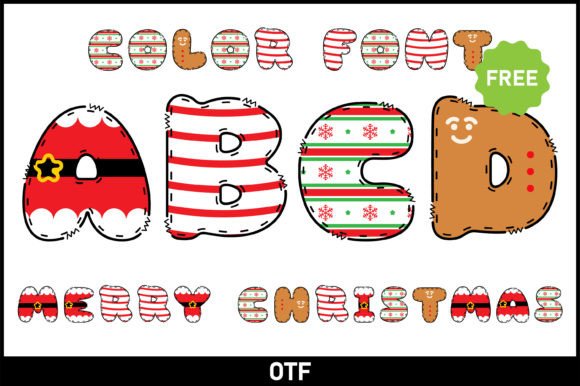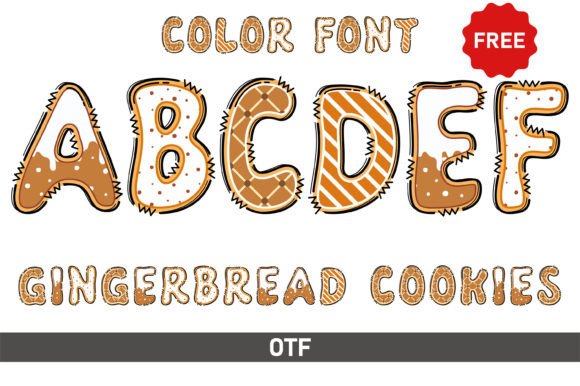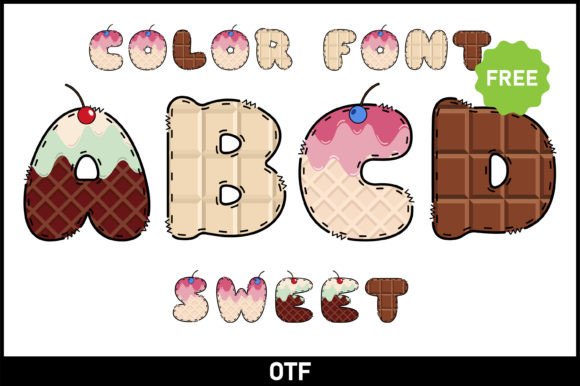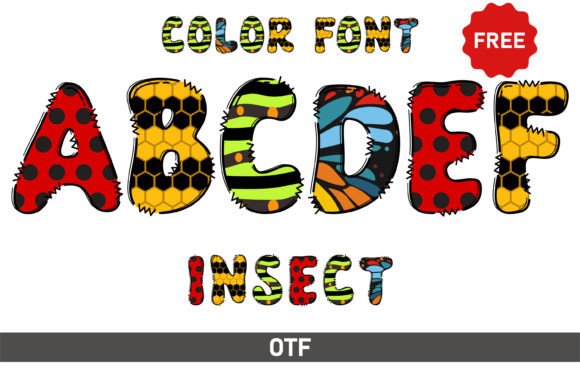
The Playful World of Table Cloth: A Font That Brings Artistry and Whimsy to Your Designs
If you're someone who enjoys crafting designs that feel light, playful, and full of personality, you've likely searched for fonts that break away from the sterile uniformity of standard typefaces. Enter Table Cloth, a font that feels less like a tool and more like an artistic collaborator. This typeface has carved out a niche in the world of design for its ability to inject whimsy without sacrificing readability—a delicate balance that many playful fonts struggle to achieve. Whether you are designing a children's book, a party invitation, a poster, or a greeting card, Table Cloth offers a distinctive voice that makes your project stand out. But what exactly makes this font so special, and how can you best use it in your modern workflow? Let's unpack the qualities, quirks, and practical considerations of working with Table Cloth.
The Essence of Whimsy: What Makes Table Cloth Stand Out
At its core, Table Cloth belongs to a category of fonts designed to convey a playful or artistic feel. These are the typefaces you reach for when you want to evoke emotion, not just communicate information. In children's books, for example, fonts that are whimsical, colorful, and easy to read are essential. They transform text into an immersive part of the illustration, creating an engaging reading experience for young audiences. Table Cloth excels here because it strikes that precise chord: it is uneven enough to feel hand-drawn and organic, but consistent enough to remain legible. Imagine a storybook about a tea party where the word "teacup" looks like it could have been scribbled by a friendly rabbit. That is the energy Table Cloth brings.
Beyond books, this font finds a natural home in posters, invitations, and greeting cards. Think of a birthday invitation for a child's party—the name of the birthday boy or girl set in Table Cloth immediately signals festivity and fun. Or consider a poster for a local fair: the font's playful curves invite people to stop, read, and smile. It is not just a typeface; it is an emotional cue that says, "This is a moment of joy, not business."
One of the most practical benefits of using Table Cloth is its compatibility with modern cutting machines. For crafters who own a Cricut, Silhouette, or similar device, the black version of this font is fully compatible with Cricut Design Space and other cutting software. This means you can take your digital design and physically cut it from vinyl, cardstock, or fabric. Imagine creating custom banners, t-shirt decals, or scrapbook titles where the text literally dances off the page. The black version works perfectly for these applications because the cut lines are clean and predictable.
Understanding the Color Conundrum: What Works with Cricut and What Doesn't
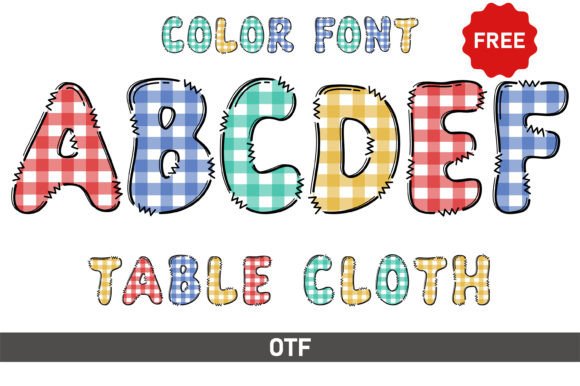
Now, here is where Table Cloth gets a little more complex and where many users first encounter a potential pitfall. The font comes in two major variations: a black (or single-color) version and a color version. The color version is where the true artistry of the font shines—it may include multiple colors, gradients, or texture effects that make each letter feel like a tiny illustration. However, there is a critical compatibility consideration: the color version of this font is only compatible with certain design programs, including Adobe Photoshop, Adobe Illustrator, Silhouette Studio, and Inkscape. The OTF or TTF files of the color version are not compatible with Cricut Design Space. This is a common frustration for crafters who fall in love with the colorful preview and then find the font does not behave as expected on their cutting machine.
Why does this happen? Color fonts are a relatively newer technology, and not every software or hardware platform supports them. Cricut Design Space, in particular, treats fonts in a more traditional way—it reads the vector outlines of the letters, not the embedded color layers. So if you want to use the full, colorful version of Table Cloth, you will need to work in a program like Photoshop or Illustrator first. You can create your text, take advantage of the built-in colors, and then export the design as a PNG, SVG, or other image file to use in your cutting software. Alternatively, you can stick with the black version for direct cut-and-print or cut-vinyl projects.
For more information on how to use this type of font, especially when navigating these differences, it is wise to consult the Ultimate Font Guide that often accompanies such font families. These guides are invaluable resources that explain exactly which file formats work where, how to install color fonts properly, and what to do when a particular software refuses to cooperate.
Practical Scenarios: When to Use Each Version
Let's say you are designing a greeting card for a birthday. You want the sentiment to feel warm, handmade, and full of color. In a program like Photoshop, you could set the main greeting in the color version of Table Cloth, and the multi-colored letters would instantly create a festive look. You could then add a white border, a background pattern, and export it as a high-resolution JPEG for print. This workflow is smooth and rewarding.
Now, imagine you are making a custom car decal with your Cricut. You want the name "Happy Camper" in that same playful style, but you are cutting vinyl—not printing. Here, the black version is your best friend. You install the OTF file, type your text in Design Space, adjust the size, and cut. The single-color letters become a stencil in your chosen vinyl color. The same applies to iron-on transfers for t-shirts or custom labels for party favors. The quiet compatibility of the black version with Cricut ensures your physical craft projects run without technical hiccups.
Who Should Use Table Cloth? A Look at Industries and Projects
Understanding the target audience for Table Cloth helps you decide if it is right for your next project. Here are the most common scenarios where this font excels:
- Children's book illustrators and authors: The font adds a handwritten, approachable quality that complements illustrations. It works particularly well for short passages, titles, and character dialogue.
- Event planners and invitation designers: Birthday parties, baby showers, and family reunions all benefit from the warm, informal energy of Table Cloth. It telegraphs "celebration" from the moment it is read.
- Greeting card creators: Whether you sell on Etsy or produce cards for local shops, using a font that feels personal and handcrafted can increase the perceived value of your product.
- Crafter and DIY enthusiasts: The compatibility with cutting machines opens up a world of physical projects, from home décor to personalized gifts. The font works beautifully with vinyl, fabric, and paper.
- Graphic designers working on playful branding: If you have a client in the bakery, toy, or event industry, Table Cloth can be a fantastic asset for logos, packaging, and promotional materials. It is memorable and distinct.
Workflow Integration: From Digital to Physical
One of the most important factors people consider before adopting a font like Table Cloth is how well it fits into their existing workflow. If you are purely a digital designer working in print or web, the color version will be a delight. You can use it in branding mockups, digital invitations, or social media graphics. The multi-color effect saves you from having to manually color individual letters, speeding up your design process significantly.
If you are a hybrid crafter who moves from screen to scissors, the need to switch between versions becomes part of your process. A recommended workflow is to design your layout in a robust program like Illustrator or Inkscape using the color version for visual appeal, then flatten the text to outlines or export it as a vector image. This image can then be imported into Cricut Design Space as a cut file. The key is to understand that the direct OTF/TTF install of the color version will not work in Design Space, but the visual output—if handled correctly—certainly can. The black version bypasses this complexity entirely, making it the go-to choice for speed and reliability in cutting projects.
What to Consider Before Choosing Table Cloth
Before you download or purchase Table Cloth, there are a few factors worth evaluating. First, consider the legibility of the font at different sizes. Like many playful typefaces, it works best at larger point sizes where the quirky details are visible. At very small sizes—body text in a book, for example—it may become harder to read, especially for early readers. Reserve it for headlines, titles, short phrases, or pull quotes rather than long paragraphs.
Second, think about the overall tone of your project. Table Cloth is unequivocally whimsical. If your subject matter is serious, formal, or minimalist, this font will clash. It is designed for moments of levity and creativity, not for corporate reports or legal documents. Matching the font to the mood is essential for a cohesive design.
Third, pay attention to the licensing terms. Fonts that come with color versions often have specific usage rights, especially if you plan to sell products bearing the font in digital or physical form. Always read the included license or the Ultimate Font Guide to ensure you are compliant. Some licenses require an extended license for commercial use, particularly for items like apparel or downloadable templates.
Finally, test the font in your own software before committing to a large project. Download the demo or use the trial version if one is available. Type out your content and see how it looks at various sizes and on different backgrounds. Because Table Cloth has a strong personality, it can sometimes overwhelm a design if used too liberally. A common recommendation is to pair it with a simple, neutral font for secondary text—think a clean sans-serif like Arial or a minimal serif. This contrast allows Table Cloth to shine without the entire design feeling chaotic.
Observations from the Design Community
Those who have used Table Cloth consistently report that it is a conversation starter. Because so many fonts are safe and generic, using something with this much character signals confidence and intentionality. Etsy sellers often note that items featuring this font receive more engagement and positive comments. However, some users caution that the color version can be unpredictable when exported to different file formats. The saving grace is the black version, which acts as a reliable fallback. Many designers keep both versions installed and choose based on the primary output method—print versus cut media.
If you are a Cricut user who loves the colorful look but needs the simplicity of a single-layer cut, consider using a print-then-cut strategy. You can design your text in Photoshop using the color version, include it in a larger design with a registration mark, and then use Cricut’s print-then-cut feature to both print and cut around the letters. This hybrid approach allows you to enjoy the full artistic potential of Table Cloth without wrestling with file compatibility.
Final Thoughts on Making Table Cloth Work for You
Table Cloth is more than just a font; it is a design tool that invites playfulness, warmth, and artistic expression. Whether you are crafting a children's book page, a festive invitation, a greeting card, or a vinyl decal, this typeface offers distinct advantages—and some important considerations. Understanding the difference between the black and color versions is crucial to avoiding frustration, especially if you work with cutting machines. The black version is your reliable partner for Cricut projects, while the color version opens up richer possibilities in programs like Photoshop and Illustrator.
For anyone who prizes character over conformity, Table Cloth stands as a meaningful addition to a designer's toolkit. It bridges the gap between digital art and physical craft, creating work that feels handmade and heartfelt. As you experiment with it, you will likely discover that its capacity to bring joy is its greatest asset. So go ahead—open your design software, install the font, and let your projects become a little more playful. With Table Cloth, good design is just the starting point; a memorable, personal touch is the real destination.